From InterAction 123, published autumn 2026
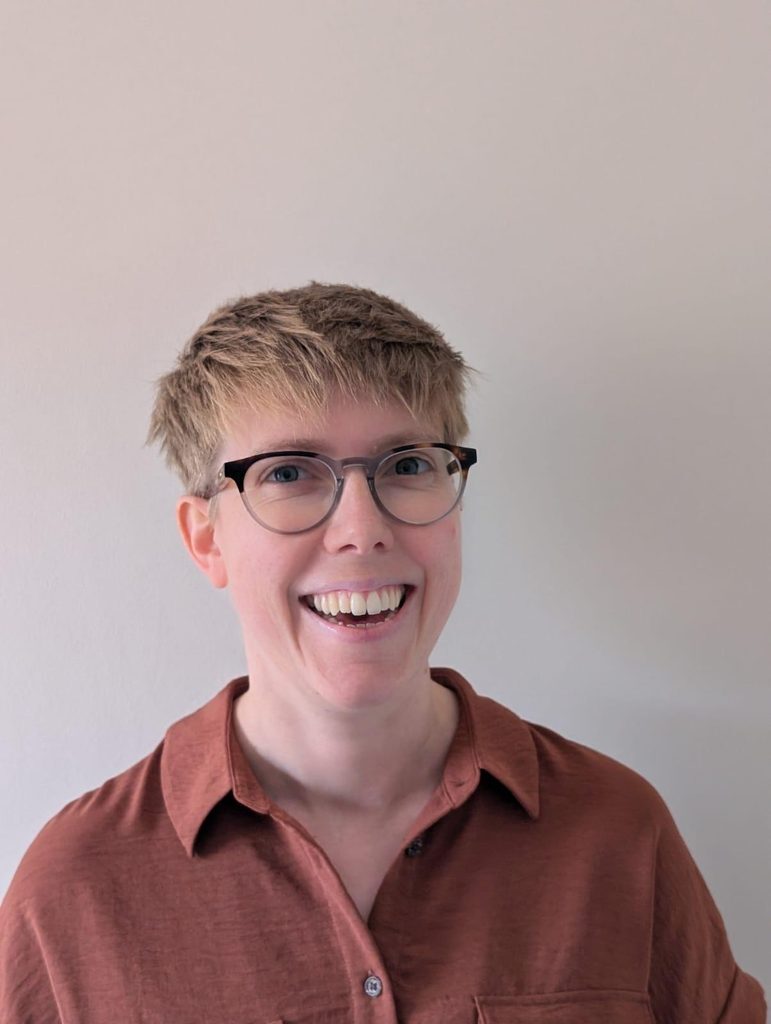
Lived experience improves the impact and quality of research, says Sian Leary.
SPEED READ
Patient and Public Involvement (PPI) was embedded into the governance of DecodeME. Flexibility allowed the PPI steering group to contribute in a number of ways. This made the study more responsive to human experience. PRIME will build further on this to ensure that ME research is shaped by lived experience.
DecodeME wasn’t just a scientific and social achievement – it was a model for how to embed lived experience into research in a way that improves impact and scientific quality.
It was a huge collaboration. We had researchers, teams that delivered specific aspects of the study, communications experts, and people with ME – all working side by side.
Our PPI Steering Group was embedded in the project’s governance. Everything from press releases to ethics applications to the risk register was reviewed by the steering group, meaning our experiential knowledge formed a key lens through which every deliverable was passed.
Members from this group sat on each of the other teams and were conduits for information and decision making. We weren't just consulted – we were part of the decision-making.
When capacity fluctuated, as it often does with ME, we adapted. We brought in additional contributors or had PPI steering group members join additional teams to ensure continuity.
That flexibility was key. It meant we could maintain momentum without compromising accessibility or inclusion.
One of our biggest contributions was developing the participant information documents and the DecodeME questionnaire.
We also helped shape how DecodeME supported participants. PPI contributors wrote sensitive, thoughtful responses to common queries from participants. And when more complex questions came up, we worked with staff to craft responses that reflected the experience of ME.
PPI members helped create a video guide for returning DNA kits and edited our outward communications for accessibility. We also co-hosted webinars with researchers that reached tens of thousands of people.
PPI made the study more responsive, more human, and built impressive levels of trust with the community, enabling us to build a big enough cohort of participants to power our analyses and find the genetic signals that we did.
This is what true involvement looks like. Not tokenism. Not consultation after the fact.
Most of our work happened online. Meeting times, durations, and formats were all shaped around the needs of each group's PPI members. Some teams met for just 30 minutes at a time, others for an hour or more.
Where people struggled with light sensitivity, staff made presentations with dark backgrounds. And they were open to different methods of communication – emails, Teams, phone calls – whatever worked for the individual.
We shared agendas and documents well in advance, to help PPI members pace their energy and involvement, and we co-created timelines.
People could attend meetings from bed as needed, and were never made to feel their involvement was lesser because of that. We tried to ensure involvement didn't need to be all-or-nothing. This wasn't always easy for the individual! Some pushed past our limits because we were so invested in the project, but the principle that people could step back and rejoin as their health allowed was always upheld.
“The dual perspective of being someone with ME and someone working professionally in the charity and research sectors has shaped how I approach involvement. And it’s shown me just how powerful it can be when done well.”
Sian Leary
The PRIME ME/CFS Research Involvement Hub will be managed by Action for ME’s PPI team, working closely alongside contributors with lived experience.
This collaborative approach ensures that the Hub itself is shaped by the very people it exists to support, embedding meaningful involvement at every level.
This also means that future ME research can be shaped, from inception, by people who truly understand what it’s like to live with this illness.
This is all about making meaningful involvement easier, faster, and more effective for researchers – while ensuring that research stays grounded in real-world experience.
The ME community is full of brilliant minds. Faced with a lack of care and treatments, many of us have extensively read the research literature around ME, trying mostly in vain to find something that could help us. Some of us are trained scientists, others geeky lay people. But whatever our background, our experience of ME gives us a vital role to play in research.
When we involve people meaningfully, we don’t just improve the research –
we accelerate the search for treatments and, one day, a cure.
Taken from InterAction, our Supporting Members’ magazine, issue 123. Find out more about how to become a member here.